It Will All Be the Same in a Hundred Years
All Creatures Great and Small“It Will All Be the Same in a Hundred Years” is Siegfried Farnon’s practical maxim for meeting everyday frustration with perspective. He offers it to James Herriot after James’s dispute with Rolston over the bill for treating calves, turning a complaint about professional ingratitude into advice about keeping calm.
Occasion and Meaning
James is upset because he spent hours treating Rolston’s calves for pneumonia, used expensive drugs, and saw none of them die, yet Rolston now complains about the bill and offers no thanks. Siegfried responds not by taking up the argument but by urging James to relax and take such annoyances in his stride. The phrase places the immediate grievance against a much longer span of time: however aggravating the dispute feels now, it will not matter a century later.
Delivery and Rhetoric
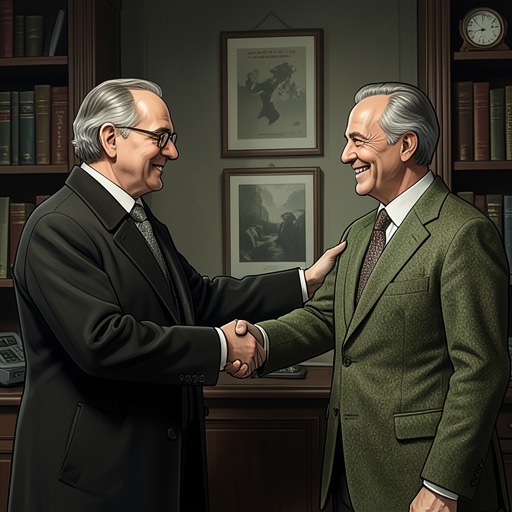
Siegfried frames the maxim as part of a longer appeal against letting small troubles overwhelm professional life. He points to the risk of people becoming ill through allowing themselves to grow too agitated, then returns to the injunction to remain calm. His manner reinforces the counsel: he puts an arm around James’s shoulders, speaks with a serene smile, and pats him reassuringly. The contrast between James’s anger and Siegfried’s composed, almost therapeutic manner makes the advice an enacted gesture of reassurance as well as a saying.
Irony and Narrative Function
The maxim’s calmness is not Siegfried’s constant state. A few days later, after visiting Holt, he bursts into the room flushed and furious, pounding the desk as he announces his grievance. The reversal lends the advice a comic edge: the man who urges James to take irritation in his stride is himself vulnerable to the same kind of anger. The expression therefore captures both a useful professional ideal and the difficulty of living up to it.